Engineering Excellence
Engineering Excellence

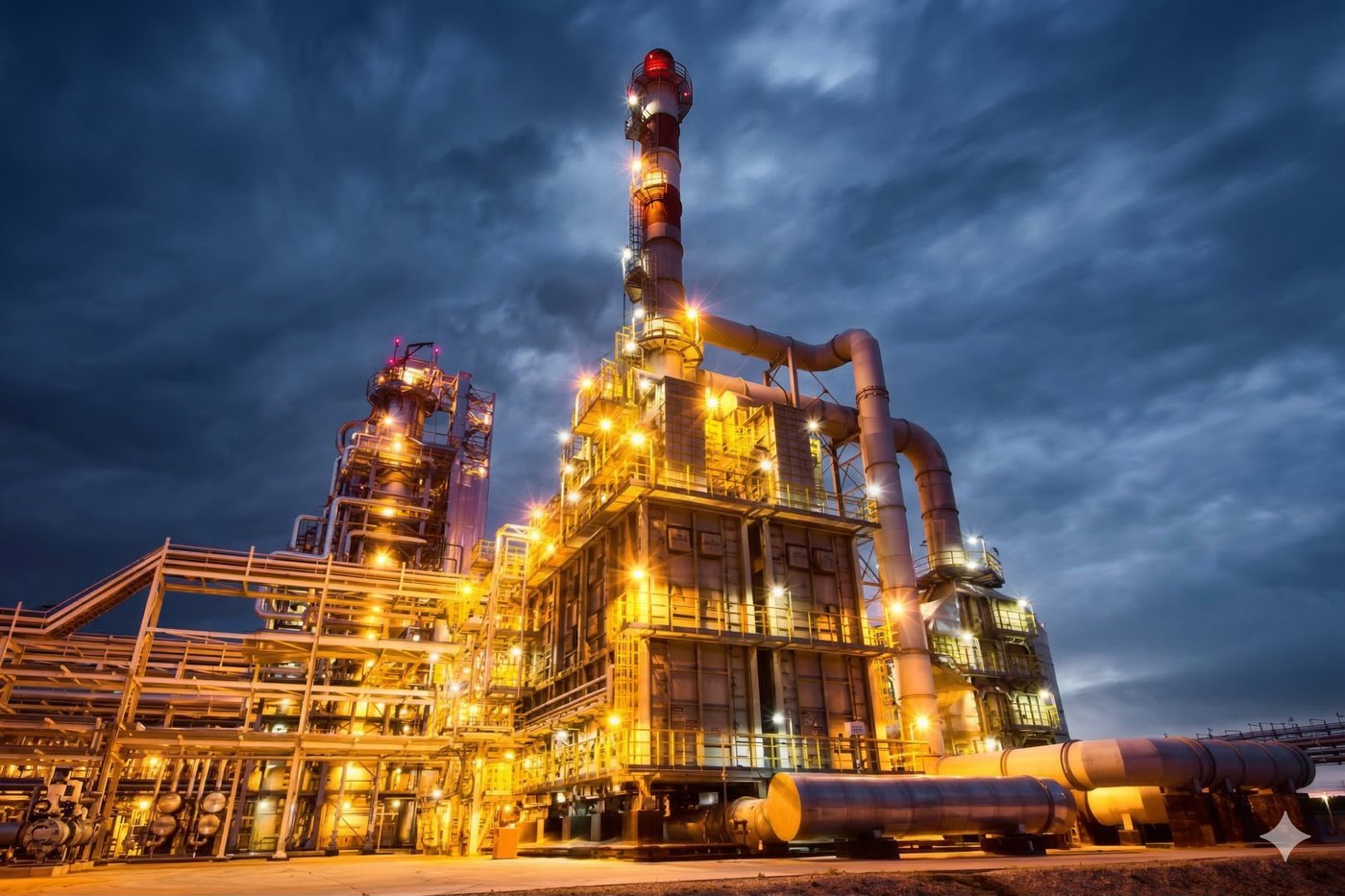
Conduct controlled pressure testing using gases and fluids to verify system mechanical integrity, ensuring structural reliability, leak tightness, and compliance with operational safety standards.
Pressure Testing is a controlled verification process performed to assess the mechanical integrity, strength, and leak tightness of piping systems, pressure vessels, tanks, and process equipment. It is a critical quality assurance activity conducted during fabrication, pre-commissioning, maintenance shutdowns, and prior to system start-up.
The primary objective is to ensure that systems can safely withstand design pressures and operate without leakage or structural failure.
A highly sensitive leak detection method using helium as a tracer gas to identify micro-leaks that conventional testing cannot detect. Commonly applied in high-integrity systems requiring near-zero leakage tolerance.
A pressure test performed using compressed air or inert gases (e.g., nitrogen) to verify structural strength and leak tightness. Typically used when hydrotesting is impractical, such as in systems that cannot tolerate moisture.
A widely used pressure testing method utilizing water or treated fluids to pressurize the system above its design operating pressure. Confirms structural integrity and ensures no pressure-related failures under controlled conditions.
A practical visual leak detection technique where soap solution is applied to joints, welds, or connections. Bubble formation indicates the presence of leaks, making it effective for flange connections and threaded fittings.
Pressure testing is essential in industries such as Oil & Gas, Petrochemical, Power Generation, and Industrial Manufacturing, where system integrity directly impacts safety, environmental compliance, and operational continuity.
Technical documents & reference materials